
Will Wilkinson's story lead to a sixth World Cup?
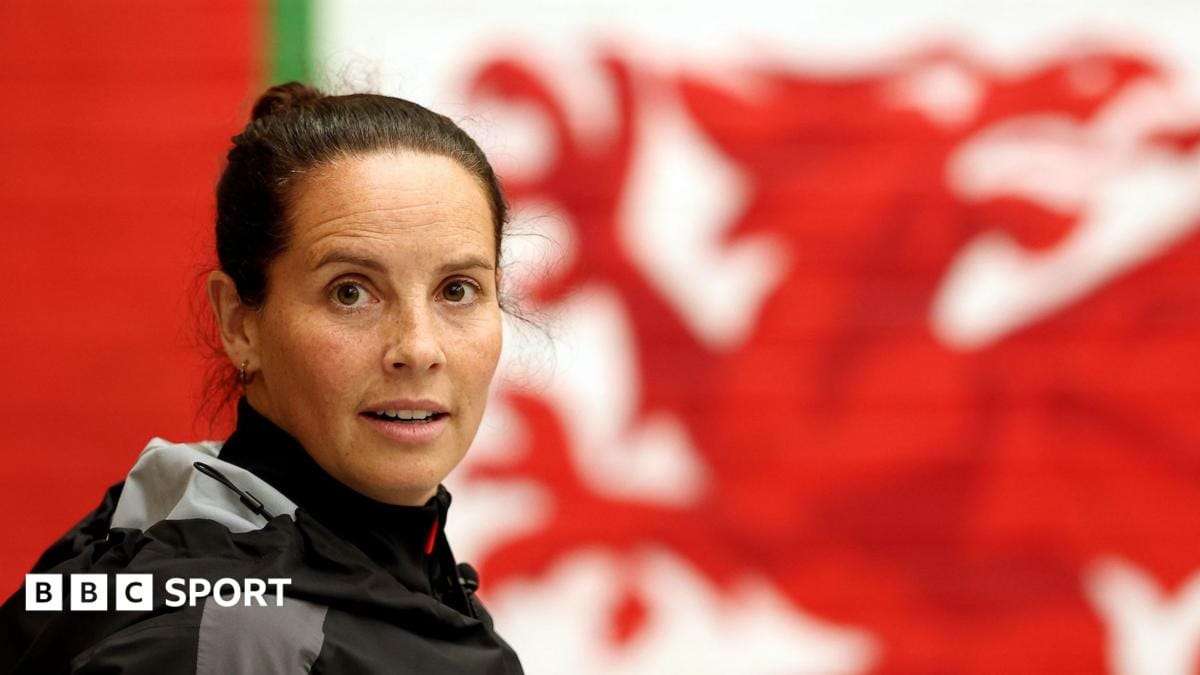
In the suburb of Montreal where Rhian Wilkinson grew up, there is a park packed with football pitches which is named in her honour. The park was rechristened in 2016, in recognition of a playing career with Canada…
Bitcoin 1 Minute
In the suburb of Montreal where Rhian Wilkinson grew up, there is a park packed with football pitches which is named in her honour. The park was rechristened in 2016, in recognition of a playing career with Canada which featured four Women's World Cups, three Olympic Games – including two bronze medals – and 181 caps.
"It's the most mispronounced park name in the city," Wilkinson says with a smile. "My name is butchered in Canada.
Ryan is often the one I get. Then in French it's more Rhianne." Rhian Wilkinson Park is next door to the school where Wales' head coach spent many of her formative years.
"You used to get in big trouble if you went to the park because it was behind the hedges and they couldn't see you," Wilkinson adds. "So it's kind of ironic.
I got a lot of detentions for playing in that park." Live on BBC iPlayer, BBC One Wales, BBC Sounds, BBC Radio Wales, Radio Cymru, BBC Sport website and app, plus live text commentary. Wilkinson has eyes on a return to the World Cup stage as she prepares Wales for their play-off final against Norway, with the first leg at the Cardiff City Stadium on Tuesday, 1 December before the return leg in Oslo four days later.
Qualification would be another landmark moment in a football career which began when Wilkinson played in Quebec – for an all-girls' team - aged five. Wilkinson's father, Englishman Keith, and her Welsh mother Shan met while both were students in Cambridge.
They went together to teach in Canada and liked it so much that they ended up staying. There were regular visits to see relatives in the UK and, when Wilkinson was aged seven, the family had a spell living Wales to see whether that would be the better long-term option.
They set up home in Cowbridge, where Wilkinson's mother had lived as a child. The move presented a "challenge" for Wilkinson because there was no girls' football club to play for.