Faisal Islam: This cost-cutting UK-EU deal doesn't mean lower prices will follow
Faisal Islam: This cost-cutting UK-EU deal doesn't mean lower prices will followImage source, Getty ImagesByFaisal Islam Economics editorPublished29 minutes agoThe prime minister made a lot of the UK's new deal with the...
31 Mart 2027 — Ham Petrol tüm zamanların en yüksek seviyesinde?
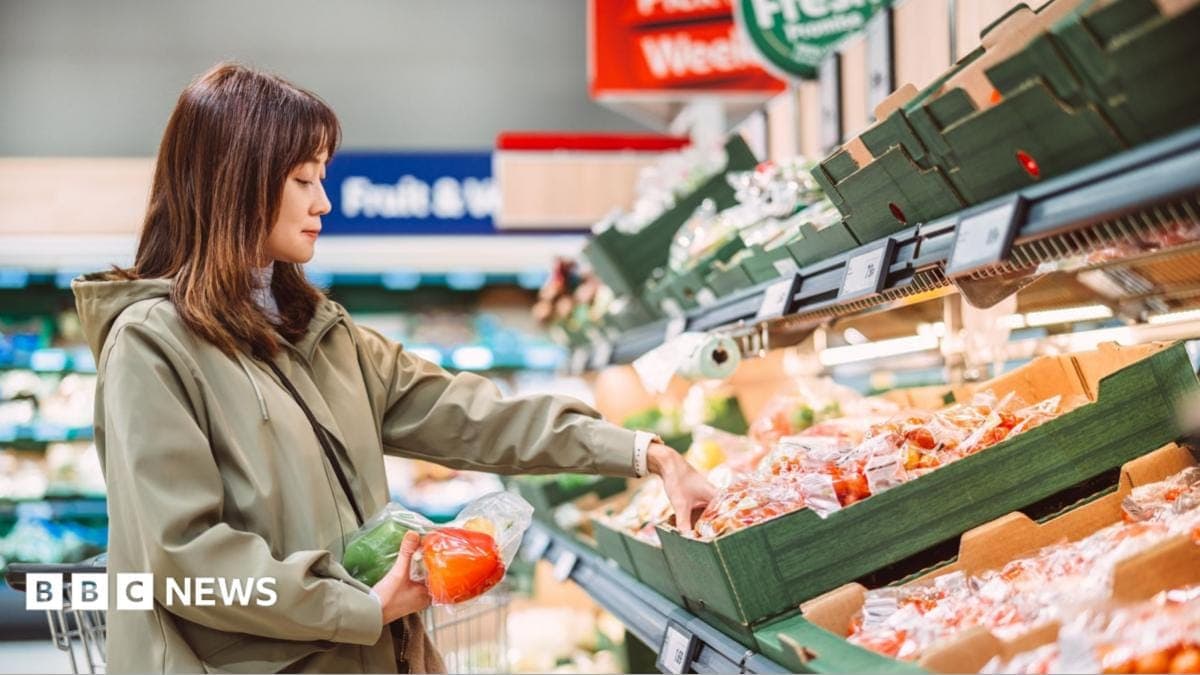
An important development from the financial markets: Faisal Islam: This cost-cutting UK-EU deal doesn't mean lower prices will followImage source, Getty ImagesByFaisal Islam Economics editorPublished29 minutes agoThe prime minister made a lot of the UK's new deal with the EU cutting costs for business and consumers during tough times. In another world, Andy Burnham would have loved for the nation's supermarkets to clearly announce that they could cut food prices as a result of this latest agreement on food exports. And while grocers have very much welcomed Friday's announcement, they have notably not committed to price cuts as a direct result of this move.
The managing director of M&S, Alex Freudmann, called the deal a "major step forward", saying it would remove bureaucracy. Tesco chief executive Ken Murphy added it was "good news for British farmers and producers". Freudmann highlighted some of hoops that were hurting UK-EU trade, using the example that "getting our spaghetti Bolognese from Lincolnshire onto a shelf in Dublin takes hundreds of extra miles, mountains of paperwork, a vet's signature and even the Latin name of a cow".
Economic Details
Such measures will no longer need to be taken once this deal kicks in. Good news for business exports then, but will that lead to lower shopping bills here in the UK? Privately, industry insiders say there are too many moving parts in the world economy, especially given the energy price shock resulting from war in the Middle East.
It is more a hope than will at this stage. The industry and government hope that the reduction in costs for food producers and sellers will be passed on to customers. Less red tape and paperworkThis is not the first time Labour has sought to reduce the weekly shop costs.
Sir Keir Starmer's administration floated the idea that supermarkets might even offer some form of branded discounts, a suggestion that was met with collective bemusement by those in the industry. However, there will be less paperwork, checks and red tape on food imports too, but they were already lightly enforced. No longer will hundreds of pages of documents be required.
Analyst Views
No longer will perishable goods lose valuable hours or days at border checks. No longer will the incorrect colour of ink or Latin name for a meat disallow a shipment of British exports. Some, though not all of the 24% hit since 2019 to the real value of agrifood exports, could be regained by a bonfire of this red tape.
In particular, smaller exporters of food will be able to return to the large EU market. But the extra benefit here is unclear, and there could be extra checks and costs required instead on non-EU food imports. The government's own assessment is that the economy will gain £5bn through this, or 0.
Critics point out that this benefit does not include the quid pro quo - having to align with EU laws. Farmers have pointed to compliance with pesticides and fungicide regulation.
Economists are analysing what the news means for the markets.