The biggest vulnerability in your Bitcoin wallet might be the shipping label
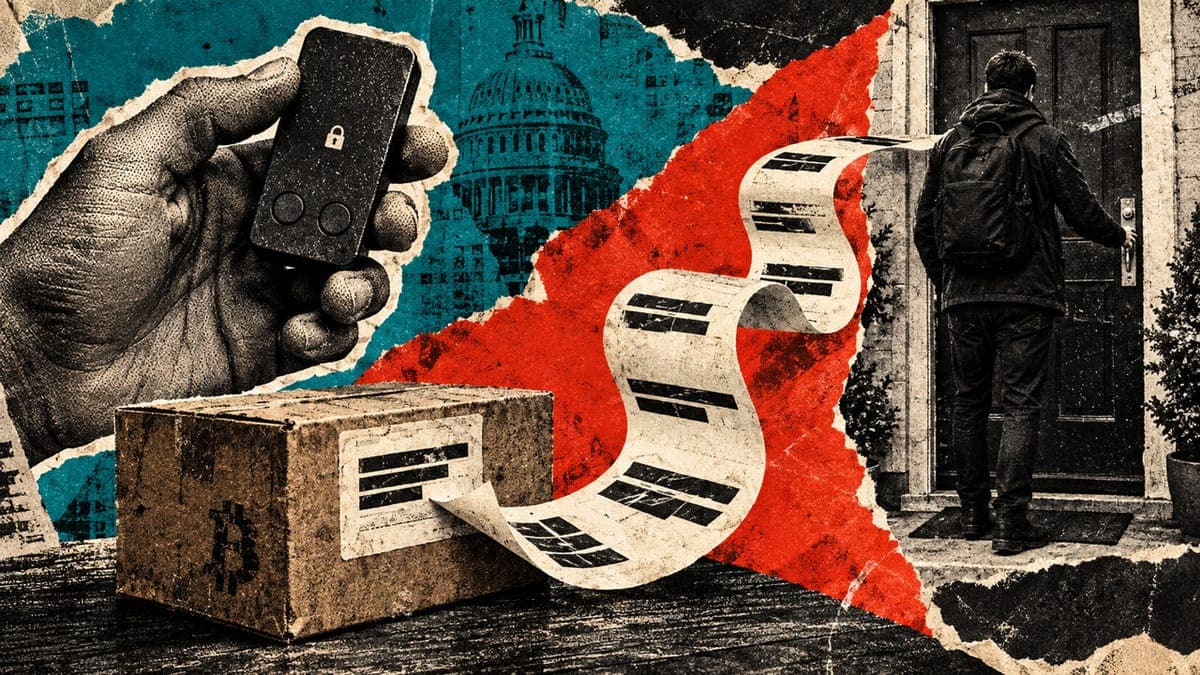
Hardware wallets might be able to protect your keys, but the paperwork from buying them could expose your identity. To buy a hardware wallet, you give a company your name and address so it can send you a device designed...
Bitcoin 1 Minute
Here is the latest from the digital-asset markets: Hardware wallets might be able to protect your keys, but the paperwork from buying them could expose your identity. To buy a hardware wallet, you give a company your name and address so it can send you a device designed to put you in control of your money. Once you've unpacked the box and set it up, there is little reason to think about the order again.
However, somewhere in the delivery business a record of that purchase may survive for years. 4 update to its shipping-provider breach disclosure, Trezor said approximately 67,000 additional US customers were affected, including orders from 2019 to 2021. It said ShipMonk, the shipping company tasked with delivering the devices, gave it written assurances that it deleted the records.
Market Dynamics
The company now lists 80,689 affected customers overall. Trezor says its systems and devices were unaffected and that the contents of parcels weren't exposed. The leaked information included only contact and delivery details, so no funds were stolen or misappropriated.
And while the financial damage so far is zero, those contact details create a bigger problem for the customer that has outlasted the purchase and could continue well into the future. The device they bought will continue protecting their money, but the information used to deliver it could help a stranger impersonate someone they trust. The device and the person The Bitcoin network records coins and who can spend them.
Wallets hold the private keys that authorize spending: the secrets that let their owner instruct the network to transfer money. Hardware wallets keep those secrets in a dedicated device. When you make a payment, it can approve the transaction without handing the private key to the computer running the accompanying software.
Market Impact
That separation means a problem with the computer doesn't automatically become a loss of money. You also need a way to recover access if the device breaks or disappears, which is where wallet backups step in. The way they work depends mostly on the setup, but it's usually a sequence of words that can recreate the wallet on another device.
However, that recovery mechanism can also help a thief who obtains it, which is why Trezor's backup instructions advise against sharing the backup or keeping digital copies. Any attacker who persuades the wallet owner to hand over that information bypasses all the device's protections. But convincing a person that a request for their backup is legitimate has always been the hardest part of this type of scam.
Even the tiniest bit of personal information can make that message much more convincing. An email addressed to you by name that refers to an order you recognize feels different from a generic warning sent to a million inboxes. Letters delivered to your home can easily look like official correspondence, even when their instructions are fraudulent.
This shift continues to shape the digital-asset landscape, with analysts examining its near-term effects.