How health workers in DR Congo are treating Ebola and staying safe
How health workers in DR Congo are treating Ebola and staying safe2 hours ago Share Save Add as preferred on GoogleHafsa KhalilGetty ImagesHealth workers are on the frontline of trying to stop the current Ebola...
July 31 — İsrail x Hizbullah ile kalıcı barış anlaşması...?
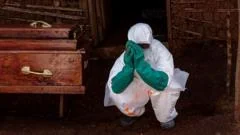
Here is the latest breaking news from around the world: How health workers in DR Congo are treating Ebola and staying safe2 hours ago Share Save Add as preferred on GoogleHafsa KhalilGetty ImagesHealth workers are on the frontline of trying to stop the current Ebola outbreakHealth workers in the east of the Democratic Republic of Congo are racing against the clock to help Ebola patients manage their symptoms, as well as keep themselves safe and prevent the risk of spreading the virus, while the number of cases continues to rise. All patients - suspected and confirmed - are isolated and all those who come into contact with them are supposed to wear full personal protective equipment (PPE), and use other equipment to minimise transmission. One such device is the Cube, a transparent "self-contained treatment unit for highly infectious diseases" that allows a patient to receive medical treatment without direct contact from medical staff.
Created in the aftermath of the 2014-2016 Ebola outbreak in West Africa, the Alliance for International Medical Action (Alima) designed them to allow medical staff to treat patients from outside, with the use of attached tunnel-like gloves. Jennifer Lazuta/ALIMAThe Cubes have been used in previous Ebola outbreaks, including in DR Congo in 2019"You don't need to have full PPE to be in contact with patients, so it's a very, very important device in this kind of outbreak," says Dr Papys Lame, Alima's Ebola response coordinator. He tells the it ensures the "necessary standard of care, a positive patient experience and the protection of healthcare workers".
The Details
But while these are useful, there are not enough in DR Congo compared to the number of suspected cases of Ebola. According to Alima, two Cubes arrived in Bunia, the provincial capital of Ituri, the epicentre of the outbreak, over the weekend and are expected to be in use soon. Another two Cubes are on their way to the city.
Supplies of PPE are also limited. On Friday, the International Council of Nurses (ICN) warned of shortages, saying nurses in DR Congo are "scared for their safety because they do not have the equipment to protect themselves". The Ebola virus spreads from one person to another by contact with infected bodily fluids.
The delay in confirming cases in the early days of the outbreak has seen the virus spread from Ituri to the provinces of North and South Kivu, as well as neighbouring Uganda. "Unfortunately, Ebola starts very vaguely with a headache, fever and feeling weak," explains Dr Armand Sprecher, an emergency physician and epidemiologist specialising in Ebola for Médecins Sans Frontières (MSF). "People get what we call malaise - achy in the muscles and the joints, and eventually developing some vomiting, abdominal pain, diarrhoea," which he tells the is "true for a lot of illnesses".
Infectious diseases common in the region such as malaria and typhoid share early symptoms with Ebola.
The development has drawn wide international attention, with diplomatic circles watching closely.