Russia creates crypto sanctions loophole, but cash-out routes remain ringfenced
Russia has turned crypto foreign-trade settlement into a live test of how far sanctions pressure can reach beyond banks. The Bank of Russia says selected exporters and importers may use cryptocurrencies for cross-border...
Bitcoin 1 Minute
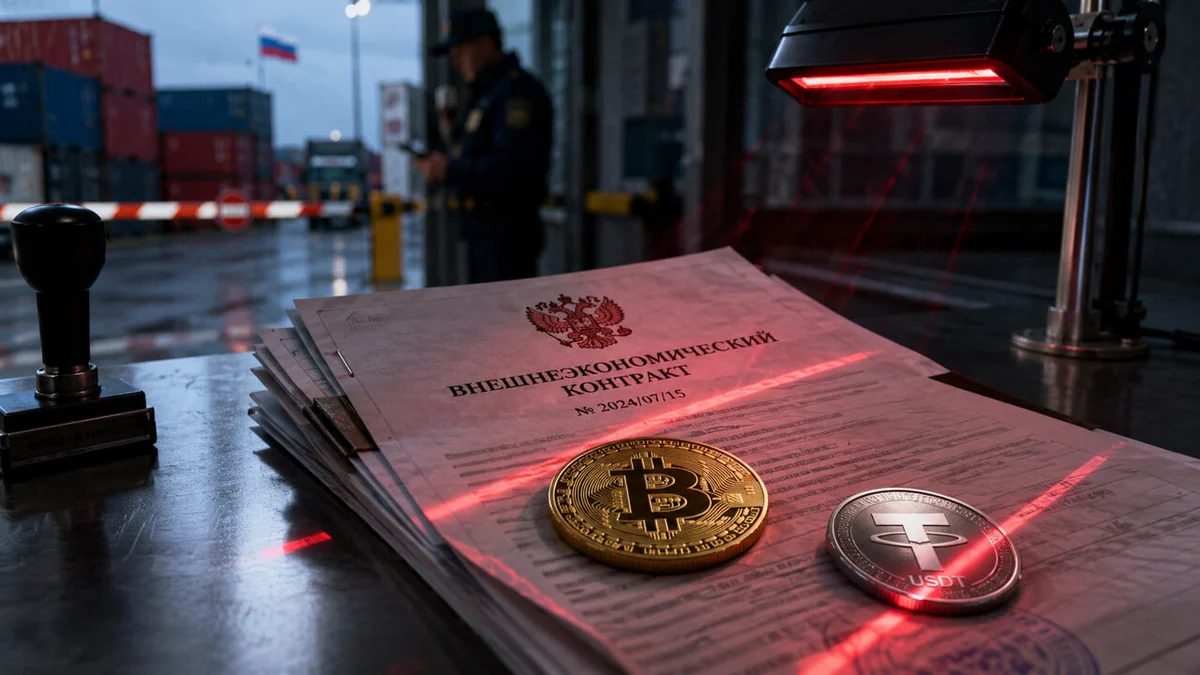
Here is the latest from the digital-asset markets: Russia has turned crypto foreign-trade settlement into a live test of how far sanctions pressure can reach beyond banks. The Bank of Russia says selected exporters and importers may use cryptocurrencies for cross-border settlements under foreign-trade agreements, but only within an experimental legal regime. Moscow has created a state-backed corridor for selected trade payments while the infrastructure around digital-asset flows remains exposed to sanctions pressure.
223-FZ profile records the same boundary: selected digital-currency payments under foreign-trade contracts, with participants and limits set by the ELR. Russia can make certain crypto settlements lawful under its own framework. The corridor's usefulness still depends on counterparties, wallets, exchanges, issuers, custodians, liquidity providers, and compliance checks that may sit outside Russia's control.
Market Dynamics
A legal corridor with external chokepoints The corridor gives a Russian exporter or importer a formal route to test digital assets in cross-border commerce, especially where conventional banking has become slower, costlier, or unavailable. The legal change shifts crypto settlement from an unofficial workaround into a supervised experiment for selected foreign-trade payments. A trade payment still needs more than domestic permission.
A buyer and seller have to agree on the settlement asset. Someone has to source liquidity, move the asset, custody it, and convert it into usable value. If the asset is a dollar-backed stablecoin, the route may touch issuer controls or issuer-linked restrictions.
If it is Bitcoin, the route avoids an issuer but still relies on counterparties, analytics, exchanges, custodians, brokers, and offramps before or after the blockchain transfer. That makes the ELR a market-structure question as much as a legal one. A sanctioned economy can create domestic legal room for crypto trade settlement, while every service provider around that payment path has to evaluate sanctions exposure.
Market Impact
The operational question is whether firms outside the Russian legal perimeter treat the corridor as an acceptable settlement route, a compliance risk, or a path to avoid. Russian legal authorization Selected firms can use crypto under foreign-trade agreements inside the ELR. Participant limits, allowed transaction types, and regulatory supervision.
Asset selection Bitcoin may offer issuer-free settlement; stablecoins may offer easier dollar accounting. Exchange access, liquidity pools, stablecoin issuer controls, and wallet tracing. Counterparty acceptance Foreign sellers or buyers must be willing to receive or route the asset.
Secondary sanctions risk, compliance policies, and bank or exchange relationships. Conversion and offramps Crypto usually has to become usable currency or inventory value somewhere in the chain. OTC desks, exchanges, custodians, payment firms, and compliance screening.
Crypto markets are watching this development closely as investors weigh its potential impact on prices.