Tether trades 8.5% above India’s dollar rate as policy pressure hits USDT access
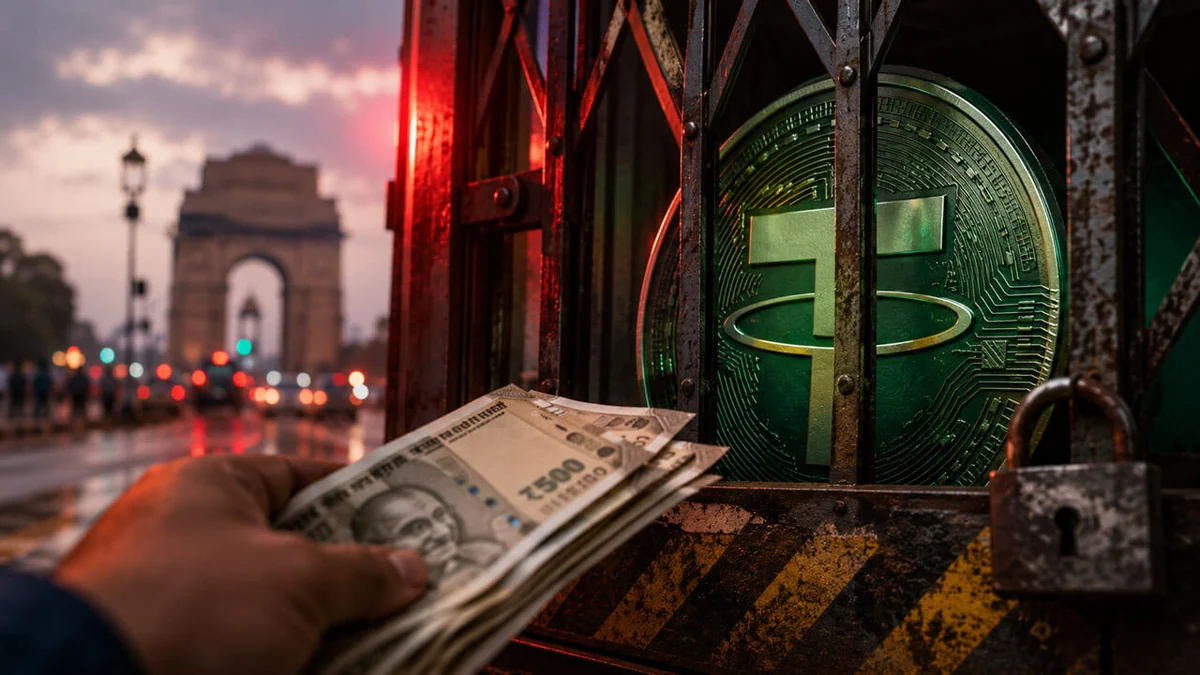
India’s USDT premium has turned local enforcement into a live price signal for dollar access. A stablecoin premium report said on June 29 that a supply crunch pushed India’s local premium above 8.5%, with USDT quoted...
Bitcoin 1 Minute
An important story is making waves across the blockchain ecosystem. India’s USDT premium has turned local enforcement into a live price signal for dollar access. A stablecoin premium report said on June 29 that a supply crunch pushed India’s local premium above 8. 5%, with USDT quoted around INR 102.
88 while USD/INR closed near INR 94. That spread is far above the usual 3% to 4% premium range cited in the report. It points to an India-specific shortage of accessible dollar-linked crypto liquidity, with the extra cost falling on buyers who still need rupee routes into USDT.
Market Dynamics
Global market data for Tether USDt showed the token trading around $1 on June 29 with substantial centralized exchange volume. The two readings create a split picture: USDT remained close to its global peg while rupee access inside India became expensive. The timing is tied to enforcement pressure.
The Enforcement Directorate said on June 19 that searches tied to several crypto and fintech platforms found alleged USDT-based outward remittance activity without Reserve Bank of India authorization. The agency alleged suspected FEMA contraventions above INR 2,500 crore and said around INR 6 crore had been restrained. The release remains an allegation by the agency.
The premium turns that backdrop into a practical cost. India’s crypto users, exchanges, payment intermediaries, and remittance-linked flows can still seek dollar liquidity when some routes become riskier or less available. Demand can persist, but the price of meeting it can rise.
Market Impact
A Local Price Shock Around A Global Peg The core market split is between USDT as a global stablecoin and USDT as a token that Indian users can buy with rupees. A dollar-pegged asset can trade close to $1 globally while local buyers pay far more because the route into the asset has become scarce, legally uncertain, or expensive. India’s premium reflects that access layer.
The token itself still tracks its global peg; the local path to obtain it is under stress. Possible local frictions include banking access, market-maker caution, reduced P2P supply, tax costs, compliance uncertainty, and less willingness to intermediate flows that could attract regulatory scrutiny. Those factors are plausible pressure points, with no single confirmed explanation for the June 29 price move.
India USDT quote ET reported USDT near INR 102. 88 Local buyers were paying much more than the ordinary dollar rate USD/INR reference ET reported USD/INR near INR 94. 65 The gap makes the premium visible in rupee terms Global USDT context showed USDT around $1 The stress sits in local access around a global stablecoin peg Stablecoins often function as financial plumbing.
Crypto markets are watching this development closely as investors weigh its potential impact on prices.