Kalshi’s court loss shows federal approval may still leave prediction markets fenced off by states
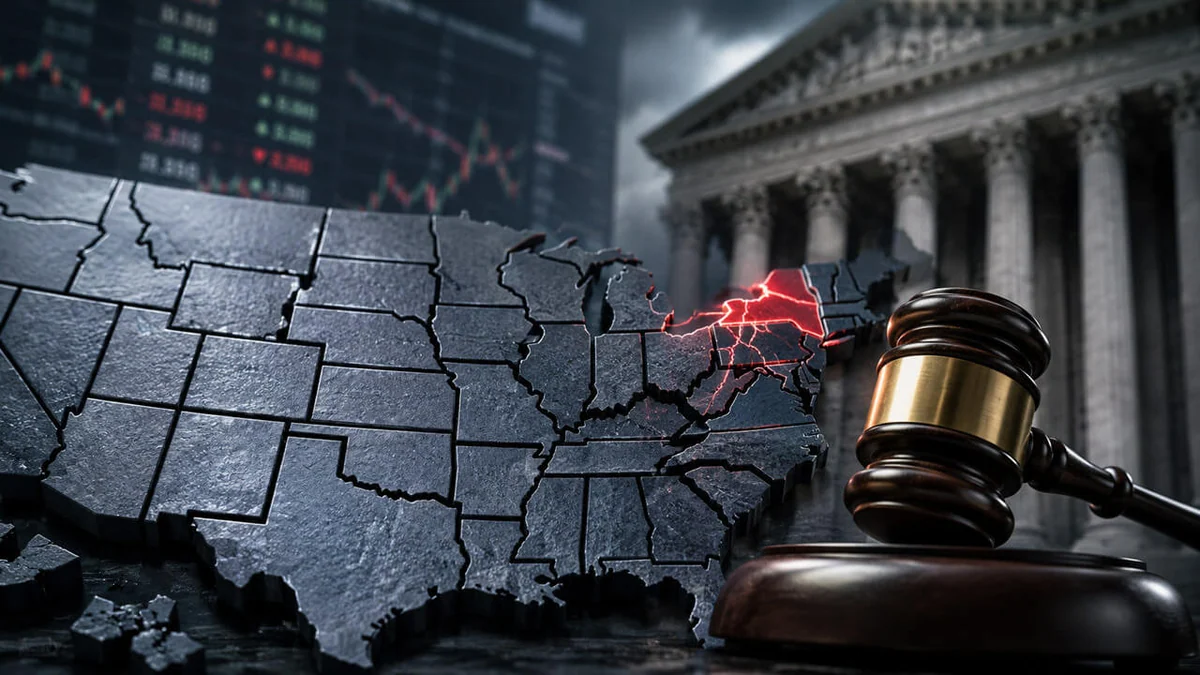
A New York federal court has returned prediction-market access to state hands just weeks before the CFTC closes comments on national event-contract rules. In a July 7 opinion and order, Judge Analisa Torres of the...
Bitcoin 1 Minute
An important story is making waves across the blockchain ecosystem. A New York federal court has returned prediction-market access to state hands just weeks before the CFTC closes comments on national event-contract rules. In a July 7 opinion and order, Judge Analisa Torres of the Southern District of New York denied KalshiEX LLC’s request for a preliminary injunction to block New York gaming officials from enforcing state gambling law against its sports-event contracts while the case proceeds. The decision is preliminary.
It leaves the merits open, but it rejects Kalshi’s bid for immediate relief on the argument that the Commodity Exchange Act preempts New York’s gambling laws as applied to those contracts. The access risk now has two tracks: whether the Commodity Futures Trading Commission accepts event contracts at the federal level, and whether states can force platforms to block, limit, or redesign access before the federal framework is finished. Related Reading CFTC sues 3 states in bid to redefine crypto prediction markets as federal products Federal lawsuits aim to override state gambling laws, putting the future of sports prediction markets on a fast legal track.
Market Dynamics
Apr 3, 2026 Gino Matos The federal clock is still running The order landed while the CFTC’s proposed prediction-market rules remain open for comment. The agency’s June 12 Federal Register notice gives interested parties until July 27 to comment on proposed public-interest determinations for event contracts, including contracts involving gaming or activity unlawful under federal or state law. A related CFTC release said the framework would apply to growth in event contracts, including those referencing sporting events.
Torres’s order sharpened the access issue before that process closes. The court rejected Kalshi’s argument that CFTC-designated contract market rules requiring impartial access effectively require nationwide access to sports contracts. It also treated the cost of geolocating users on a state-by-state basis as an ordinary regulatory compliance burden, undercutting Kalshi’s irreparable harm argument.
That part of the ruling carries the most operational weight for venues. Geofencing may be expensive, disruptive, and inconsistent with a national market, but the order leaves room for states to keep pressing their gambling-law theories while platforms litigate. Related Reading How a disputed $1 billion claim became a powerful weapon against prediction markets America’s gambling lobby says that prediction markets are draining public money from states and tribes, as US gambling revenue hits record highs.
Market Impact
May 31, 2026 Andjela Radmilac The order binds Kalshi’s New York case. The product category is already broader. com describes its sports-event trading as a CFTC-regulated derivatives feature.
Coinbase says its prediction markets are available to U. residents, but not in Nevada. Gemini announced that its affiliate, Gemini Titan, received a CFTC-designated contract market license, and the CFTC’s own DCM list records QCX LLC doing business as Polymarket US.
has previously tracked how state-vs-CFTC fights can turn prediction-market compliance into refunds, blocked access, and venue-by-venue risk. New York adds a new pressure point because the court said state gambling law can complement federal commodities law, at least at this stage. Related Reading Crypto rails made prediction markets global, gambling laws may make them local again South Korea’s reported probe into Polymarket users follows broader action against event-contract platforms.
Crypto markets are watching this development closely as investors weigh its potential impact on prices.