Spot the crypto scam before you hit send
Some of the costliest crypto scams never touch the blockchain. They wait for you to make one wrong move, and a few simple habits are usually enough to stop them. This guide was prepared with care by SimpleSwap and...
Bitcoin 1 Minute
Here is the latest from the digital-asset markets: Some of the costliest crypto scams never touch the blockchain. They wait for you to make one wrong move, and a few simple habits are usually enough to stop them. This guide was prepared with care by SimpleSwap and Cypherock to help you keep your crypto safe.
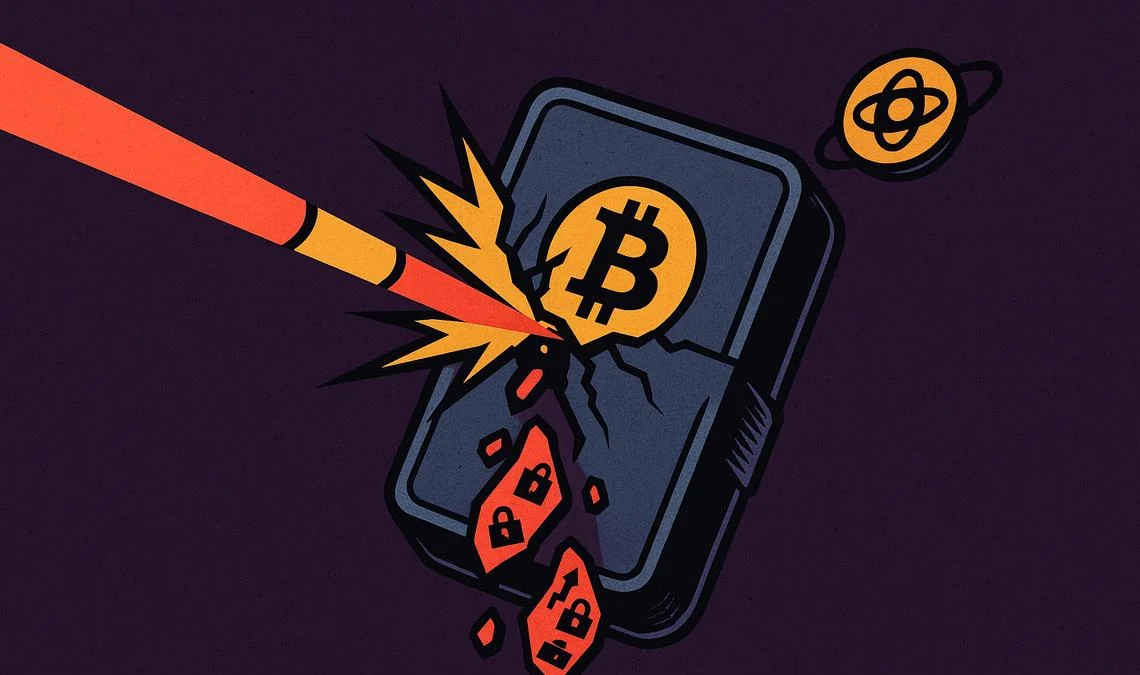
The address you copy may not be the one you send Spotting the scam before you hit send has rarely mattered as much as it does this week. On June 17, 2026, Microsoft’s threat intelligence team published an analysis of a strain of Windows malware that travels on USB drives disguised as ordinary documents and then monitors the clipboard about twice a second. The instant it sees a copied wallet address, it replaces it with one controlled by the attacker, so the crypto you meant to send yourself lands with a stranger instead.
Market Dynamics
Microsoft Defender flags the family as CryptoBandits. The same code extends beyond one redirected payment. As it runs, it pulls seed phrases and private keys from the clipboard and quietly captures the screen, leaving enough for someone to drain the funds later on their own schedule.
None of this breaks the blockchain or defeats the cryptography your wallet relies on. It only changes what your machine shows and copies at the worst possible moment. It is the freshest example of a problem now measured in the billions.
The money is real, and so is the risk Crypto fraud is having its biggest year on record, and a growing share of it targets individual holders rather than the platforms they use. In 2025, Americans reported $11. 37 billion in losses from cryptocurrency fraud, a 22% increase from the year before, according to the FBI's annual Internet Crime Report.
Market Impact
These are not small mishaps: nearly 18,600 victims each lost more than $100,000, with the average reported loss exceeding $62,000. Worldwide, Chainalysis estimates that scams and fraud cost users up to $17 billion in the same year. A lot of that money still vanishes in large-scale exploits of networks and platforms, which remain the single biggest category by value.
PeckShield put 2025 exploit losses at roughly $2. 67 billion, close to two-thirds of all crypto theft. Those breaches deserve their own attention, but they are not the subject here.
The scams in this guide work differently, and that is exactly why they are worth understanding. They do not try to defeat the cryptography or break into a network. They borrow the trust you already place in tools you know, then steer you into approving the loss yourself.
This shift continues to shape the digital-asset landscape, with analysts examining its near-term effects.