USDT gets a Brazil payment route to 170 million people by making crypto disappear
Oobit's Pix launch in Brazil turns a stablecoin narrative into a payment-habit test. The company connected its app to Pix on June 23, placing supported crypto and stablecoin balances inside the transfer rail Brazilians...
Bitcoin 1 Minute
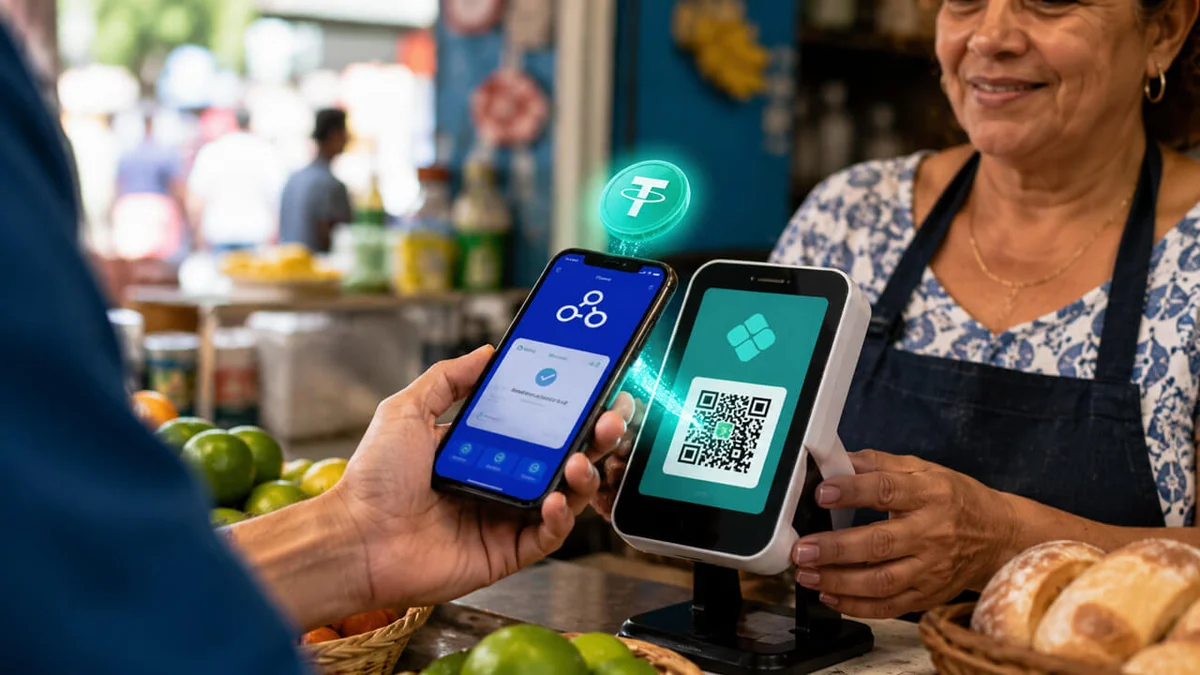
A notable development has hit the crypto markets. Oobit's Pix launch in Brazil turns a stablecoin narrative into a payment-habit test. The company connected its app to Pix on June 23, placing supported crypto and stablecoin balances inside the transfer rail Brazilians already use to move money, pay merchants, split bills, and receive transfers. The practical lesson is simple: stablecoins have a better shot at daily payments when the user spends via a familiar domestic rail, while the recipient sees a local transfer rather than a crypto handoff.
The company describes the launch as bringing crypto to Pix through native Pix payments in Brazil, allowing users to send crypto to a Pix key or deposit via Pix. Its official X account also confirmed the Brazil/Pix rollout on June 23. The experience points from a crypto balance toward a familiar local transfer.
Market Dynamics
A user may hold or authorize crypto value through Oobit, but the recipient-side behavior is designed around Pix and Brazilian reais, without asking every counterparty to hold USDT. The crypto layer becomes most useful when it fades from the recipient's experience. How The Pix Bridge Works Oobit's broader product pages describe a flow in which users send crypto and recipients receive local currency directly into bank accounts or supported wallets.
Its Send Crypto page lists Pix as available in Brazil, supports BRL, and says transfers usually arrive in seconds. The company's FAQ adds some caveats: verification is required, fees and limits can apply, and availability depends on location and supported products. Oobit is positioning USDT and other supported crypto balances as a behind-the-scenes value source for a payment action Brazilians already recognize.
Pix remains Brazil's domestic payment system, while Oobit handles the bridge into a Pix-linked experience. The user, bank-account, and settlement layers should be kept separate: Oobit app A crypto or stablecoin balance can be used for a Pix-linked action, subject to product availability and checks. Pix scale is separate from Oobit user adoption.
Market Impact
Pix and BRL rails The recipient-side experience can look like a local-money transfer into Brazil's domestic payment system. Pix remains a domestic payment rail rather than a blockchain network. Settlement layer Oobit handles the bridge between crypto value and local payment behavior.
The company has not disclosed every launch-specific conversion, partner, fee, or settlement detail. Oobit has been building toward this model for months. In February, the company announced wallet-to-bank transfers that allow stablecoins held in self-custody wallets to settle into bank accounts via local rails, including Pix.
That product framing shows the company is selling the bridge between a crypto balance and a domestic payment system, not only crypto as a checkout asset. The distinction changes the USDT framing. Stablecoins often solve a balance problem before they solve a payment problem.
Crypto markets are watching this development closely as investors weigh its potential impact on prices.