Why Iran believes deal with US leaves it stronger than before
Why Iran believes deal with US leaves it stronger than before37 minutes ago Share Save Add as preferred on GoogleAmir AzimiSenior News Editor - Persian ServiceAnadolu via Getty ImagesShipping in the Strait of Hormuz on...
No Meeting by June 30 — Where will Trump and Putin meet after that?
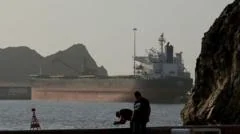
Here is the latest breaking news from around the world: Why Iran believes deal with US leaves it stronger than before37 minutes ago Share Save Add as preferred on GoogleAmir AzimiSenior News Editor - Persian ServiceAnadolu via Getty ImagesShipping in the Strait of Hormuz on WednesdayFor Iran, the deal with the US offers something just as important as a ceasefire: a way to claim that it has not just survived the war without surrendering but has emerged from it stronger. From the start, Tehran's core objective was not necessarily to defeat the US and Israel in conventional military terms. It was to come out of the conflict with the Islamic Republic intact, its leadership still functioning and its negotiating position not completely broken.
The Memorandum of Understanding (MOU) – as the deal is known - allows Iran to say it has achieved that. The document, signed separately by US President Donald Trump and Iranian President Masoud Pezeshkian, sets out a 60-day framework for negotiations over Iran's nuclear programme but it also confirms an immediate halt to military operations on all fronts, including Lebanon, mutual respect for sovereignty, the reopening of the Strait of Hormuz and the lifting of the US naval blockade on Iranian shipping. Iran's immediate obligations are significant, but relatively limited.
The Details
Tehran has agreed to help ensure safe commercial passage through Hormuz, something that had long been the status quo before the war, reaffirm that it will not pursue nuclear weapons, and enter talks on the future of its highly enriched uranium and enrichment programme. The US commitments appear broader. According to the MoU, Washington will begin removing its naval blockade, issue waivers for Iranian oil exports, make frozen or restricted Iranian assets available, work towards easing sanctions and pursue with regional partners a reconstruction and economic development plan for Iran worth at least $300bn (£224bn).
That helps explain why the reaction from Iranian critics has so far been muted. The MoU gives the leadership enough to present the deal as a victory: Iran's sovereignty is recognised, the blockade is due to be lifted, sanctions relief is on the table and reconstruction funding is explicitly mentioned. But that silence is unlikely to last.
Hegseth warns US could reinstate naval blockade if Iran deal not upheld after Trump signs agreementWhat's in the US-Iran agreement? US-Iran deal leaves core sticking points unresolved - and a $300bn questionTehran selling deal with US as victory – but for Iranians it was necessityThe most difficult issues have been deferred, not resolved. The future of Iran's highly enriched uranium, the scale of its enrichment industry and the rebuilding of damaged nuclear facilities will now be negotiated under intense pressure.
That creates a problem for Tehran's leadership. State media, the Revolutionary Guards, parliament and hardline figures have spent weeks telling their base that Iran defeated the US and Israel. Expectations are now high.
The story has become one of the most prominent items on the global agenda.