Boeing lands a long-awaited jet order from China. Why the stock is falling anyway
Every weekday, the CNBC Investing Club with Jim Cramer releases the Homestretch — an actionable afternoon update, just in time for the last hour of trading on Wall Street. Markets are rallying to new record highs again...
$4,200-$4,600 — Gold (GC) Where to settle in June?
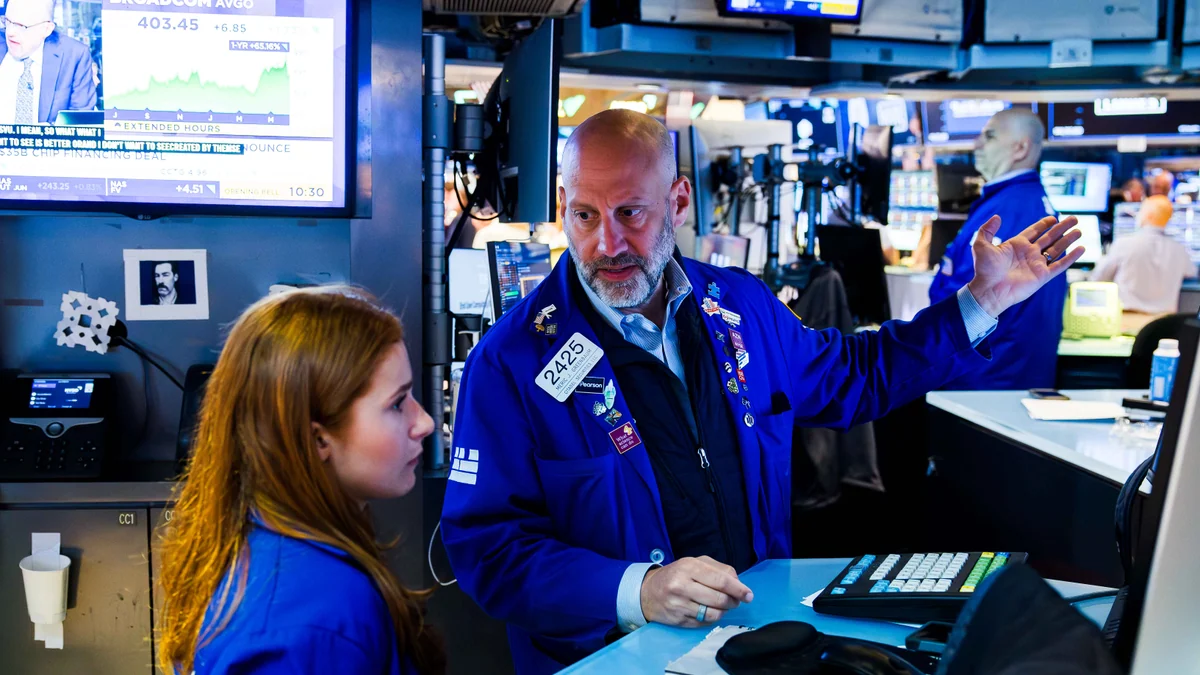
An important development from the financial markets: Every weekday, the CNBC Investing Club with Jim Cramer releases the Homestretch — an actionable afternoon update, just in time for the last hour of trading on Wall Street. Markets are rallying to new record highs again as the Dow Jones Industrial Average crosses back above 50,000. Technology stocks are leading the market higher, but the rally is broader than previous days with financials, staples, industrials, and some consumer names participating.
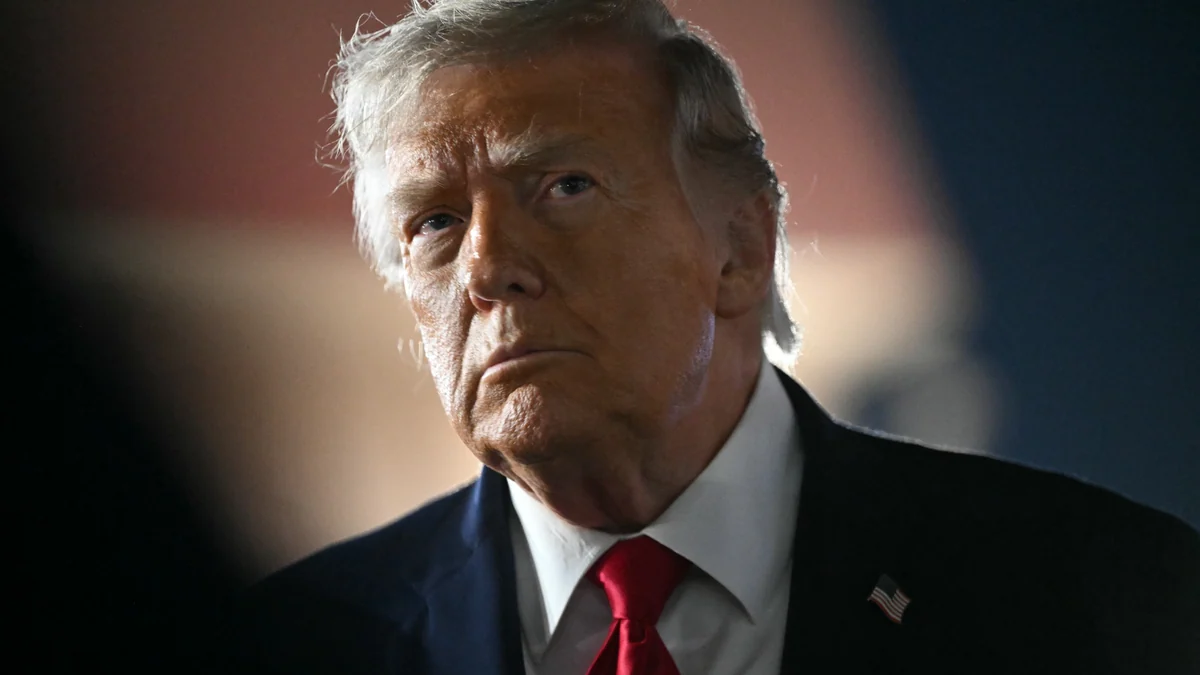
One stock not taking part in Thursday's rally is Boeing. Shares fell about 4% and gave back all the gains since we learned CEO Kelly Ortberg was joining the trip to China. The reason for the pullback: President Donald Trump said on Fox News that China agreed to order 200 "big" Boeing jets.
Economic Details
It's the first order the company has received in China in years, but the stock took a hit on the news. In a vacuum, China buying Boeing planes is great news. It's the second largest aerospace market in the world and is important to Boeing's future.
However, expectations always matter in investing. The order was viewed as a major disappointment because Bloomberg News reported in March that it could be for up to 500 narrowbody 737 Max jets. So, 200 may be a big number, but it's not 500.
It's also unclear what type of aircraft China is buying. We have not seen a comment from Boeing. We're not changing our long-term thesis on Boeing – which is based on ramping production and delivering more planes – but this stings.
Analyst Views
Dover is scaling up its ability to meet AI-related demand. On Wednesday night, Dover subsidiary SWEP announced an additional $30 million investment to expand manufacturing capacity for brazed plate heat exchangers, which are crucial for the cooling of AI data centers. The two-year investment will more than double the capacity for these products through new furnaces, test equipment, press lines and automation in Dover's factories.
Dover is seeing increased demand for its data center cooling solutions made as hyperscalers pour billions of dollars into AI infrastructure. The heat exchanger business is one way that Dover is riding the AI boom, and we're glad it's making sure it's not leaving any sales on the table due to a lack of supply. Dover has about 80% of the market for brazed plate heat exchangers, according to 22V Research.
Alongside its strong first-quarter earnings report in April, Dover said it expects over $1 billion in revenue in 2026 from applications tied to AI and power generation infrastructure. After these capacity expansions, 22V Research estimated Dover's data center exposure should increase by at least 25% to 30%, which we think is underappreciated by the market. Of course, Dover has other businesses that support markets like vehicle repair lifts, can-making, textile printing and more.
Financial markets are tracking the development closely as investors assess the likely impact.